
Produce Prescriptions, Medicaid Pilots, and the Rise of Food-as-Medicine
By Garrett Zhou
Hook
When you pick up a prescription from your local pharmacy, you need a note from your doctor. These drugs that doctors prescribe can be lifestyle-altering, such as a diabetes insulin injection. When it comes to your diet, however, doctors can only give advice: eat more green vegetables, lower your fat intake, and drink less sugary drinks. However, this often fails when their patients can’t afford the changes their doctor recommended.
What “Food as Medicine” Actually Means
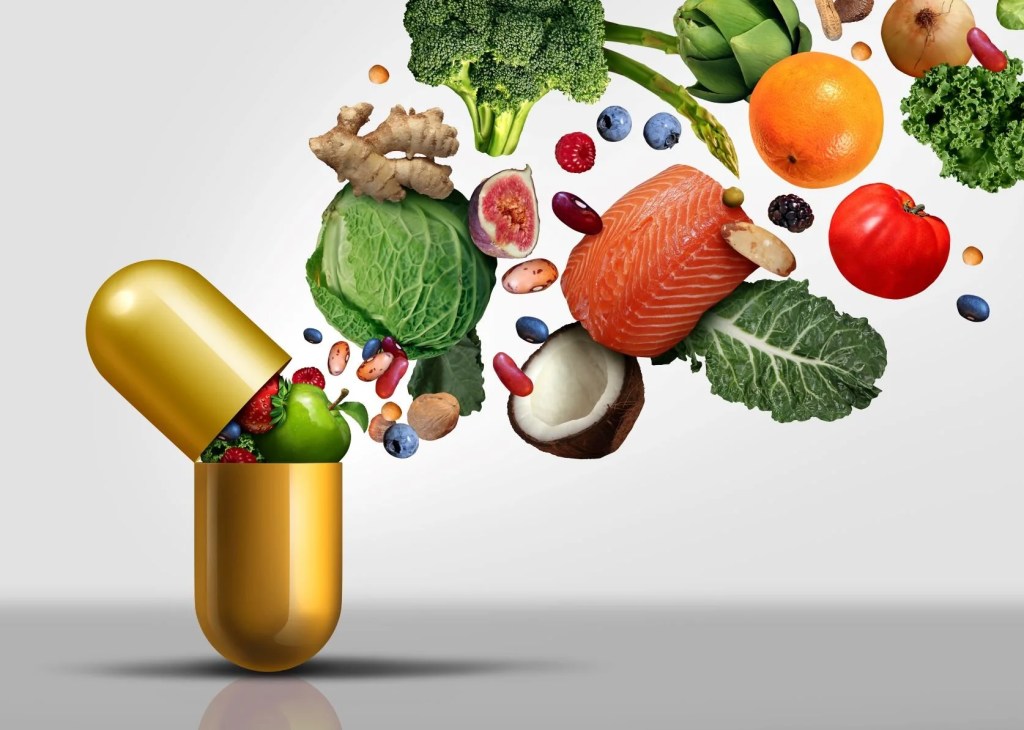
The term “Food as Medicine” might initially seem confusing, but in reality it’s a really simple concept. Food as Medicine, sometimes abbreviated as FIM, simply means healthcare interventions that use food to prevent or treat disease. It uses three main tools. First, produce prescriptions (PRx), which are free or discounted fruits and vegetables via voucher or debit card. Second, medically tailored meals (MTMs), which are fully prepared meals designed for a medical condition such as diabetes or heart failure. Finally, medically tailored groceries are groceries selected for clinical needs, often with nutrition counseling. These tools are usually paired with nutrition education and/or diabetes self-management support. The primary target patients are low-income/food-insecure individuals with diet-related conditions such as diabetes, hypertension, obesity, or heart disease.
How a Produce Prescription Works
Produce prescriptions seem very enticing to many, but lots of people don’t understand how they work. First, a clinic will screen for food insecurity and/or signs of diet-related chronic diseases. Then, a provider writes a prescription in the form of a voucher, SNAP-style incentive, or loaded card. The patients can then redeem the prescriptions at grocery stores, farmers markets, or sometimes at on-site clinics. Typically, clinics will partner with a community organization and a retailer to make this process as streamlined as possible. However, eligibility often requires SNAP eligibility or Medicaid + a diet-related condition risk, so it’s not open to everyone. GusNIP Produce Prescription Program funds many clinic-based PRx projects with the goal of increasing fruit and vegetable intake, reducing food insecurity, and reducing healthcare usage and costs.
Does It Work?
So, the million-dollar question: does produce prescription, which is the most common Food-as-Medicine tool, actually work? The answer is relatively complicated. An observational multisite evaluation of 9 produce Rx programs (22 sites, 12 states) found that produce prescription programs were associated with improved fruit and vegetable intake, food security, and adult HbA1c/blood pressure/BMI. However, clinical markers such as HbA1c, blood pressure, and BMI, and ER visits/hospitalizations evidence is more mixed and weaker. A strong recent pragmatic RCT among diabetes patients found that a $80/month produce subsidy for 12 months did not improve HbA1c or ER use vs usual care; note that benefit use was moderate (only 30% used more than 80% of the monthly benefit). GusNIP reviews concluded that dietary intake gains are the most consistent outcomes, but clinical/healthcare utilization evidence is still in development. In simple terms, produce prescriptions are good for food access, but clinical cure claims should still be treated with a grain of salt until more conclusive evidence is presented.
The Policy Turn
Food as Medicine has evolved over time. It used to be for grants and nonprofits, but now Medicaid 1115 waivers let states pilot nutrition supports. Medicare Advantage can also optionally cover produce Rx for some chronically ill members. One of the largest Rx programs in the country is the previously mentioned GusNIP, which stands for the Gus Schumacher Nutrition Incentive Program, and it’s a federal grant initiative funded by the US Department of Agriculture (USDA). It provides funding to nonprofits and government agencies to help low-income individuals buy more fruits and vegetables. To increase support, the White House conference in 2022 helped to elevate Food as Medicine as a higher priority action item. The real fight is whether this becomes lasting coverage or expires when the pilot ends.
Why Doctors Should Prescribe Food
So, what is the argument for allowing doctors to prescribe food? Well, for low-income individuals, diet counseling without money to implement the suggested dietary changes is essentially empty care. Additionally, food insecurity raises chronic disease risk and healthcare spending; clinics already screen for social needs, so food is a logical next step. Finally, FIM connects nutrition policy to health policy.
The Limits
However, there are lots of limitations to the effectiveness of FIM currently. For example, uptake problems such as unused benefits, transport, and limited partners and stores plague ongoing efforts, especially in Rx. There is also quite a bit of admin complexity across the clinic, the nonprofit/distributor, and the insurer. Another major issue is funding cliffs when grants and waivers end, directly cutting off aid to many partners who are then unable to serve the community. Finally, no matter how much they help, produce vouchers are not a substitute for meds, housing, or adequate income. Prescribing food can help, but it is far from a universal solution.
Conclusion
So, presented with the evidence, what’s your verdict? Let me know in the comments. For me, I think that yes, doctors should be able to prescribe food when hunger and disease, particularly chronic diseases such as diabetes, share a root. Produce Rx is a great practical tool for access, but clinical miracle claims need caution. This can only become real medicine if Medicaid, Medicare, and Congress fund it as healthcare, not as a temporary pilot.
References
American Public Health Association. Food Is Medicine. Washington, DC: APHA. https://www.apha.org/getcontentasset/53b9b8f1-3df4-4a6a-b65d-46fc0f7de0d9/7ca0dc9d-611d-46e2-9fd3-26a4c03ddcbb/food-is-medicine-report.pdf.
Center for Health Law and Policy Innovation. Mainstreaming Produce Prescriptions in Medicaid Managed Care. Cambridge, MA: Harvard Law School, 2023. https://chlpi.org/wp-content/uploads/2023/06/Mainstreaming-Produce-Prescriptions-in-Medicaid-Managed-Care-V6.pdf.
Drake, Connor, Cierra Buckman, Amanda Brucker, Eugenia McPeek Hinz, Michael Pignone, Huda Shaikha, Abigail Rader, Isa Granados, Benjamin A. Goldstein, Ceci Chamorro, Sam Hoeffler, Connor Wirth, and Susan E. Spratt. “Produce Prescription Subsidy for Patients With Diabetes: A Pragmatic Randomized Clinical Trial.” JAMA Internal Medicine 186, no. 4 (2026): 416–24. https://doi.org/10.1001/jamainternmed.2025.8008.
Gundersen, Craig, and James P. Ziliak. “Food Insecurity and Health Outcomes.” Health Affairs 34, no. 11 (2015): 1830–39. https://doi.org/10.1377/hlthaff.2015.0645.
Hager, Kurt, et al. “Impact of Produce Prescriptions on Diet, Food Security, and Cardiometabolic Health Outcomes: A Multisite Evaluation of 9 Produce Prescription Programs in the United States.” Circulation: Cardiovascular Quality and Outcomes 16, no. 6 (2023): e009520. https://doi.org/10.1161/CIRCOUTCOMES.122.009520.
“Health Outcomes of Produce Prescription Programs Associated with Gus Schumacher Nutrition Incentive Program Funding.” Annual Review of Nutrition. https://doi.org/10.1146/annurev-nutr-111124-092627.
Nutrition Incentive Program Training, Technical Assistance, Evaluation, and Information Center. Gus Schumacher Nutrition Incentive Program Year 5 Impact Findings. 2025. https://www.nutritionincentivehub.org/media/bnahnprk/y5-findings-report-2025_v7-compliant-1.pdf.
U.S. Department of Agriculture, National Institute of Food and Agriculture. “GusNIP: Produce Prescription (GusNIP-PPR).” https://www.nifa.usda.gov/grants/programs/gus-schumacher-nutrition-incentive-program-gusnip/ppr.
U.S. Department of Agriculture, National Institute of Food and Agriculture. “Gus Schumacher Nutrition Incentive Program – Produce Prescription Program (GusNIP-PPR) Frequently Asked Questions (FAQ).” https://www.nifa.usda.gov/gus-schumacher-nutrition-incentive-program-produce-prescription-program-gusnip-ppr-frequently-asked.
White House. Biden-Harris Administration National Strategy on Hunger, Nutrition, and Health. September 2022. https://www.whitehouse.gov/wp-content/uploads/2022/09/White-House-National-Strategy-on-Hunger-Nutrition-and-Health-FINAL.pdf.


Leave a Reply