
By Garrett Zhou

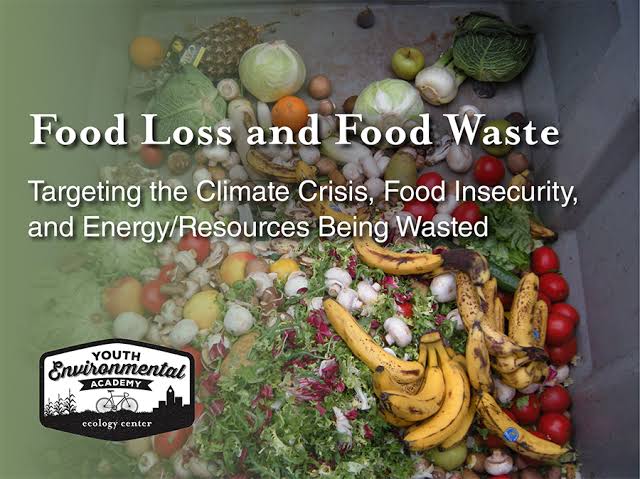
Hello, my name is Garrett Zhou, and today I will discuss the significant issue of food waste around the world. Trust me, you will want to stay for this; the statistics are staggering.
Taking a step back to examine the broader perspective, we find that 1.3 billion tons of food are wasted each year, amounting to approximately one-third of all food produced. This wasted food could nourish 2 billion people, which is more than double the number of undernourished individuals globally. Furthermore, this food waste results in over $1 trillion in economic losses annually, a figure greater than the GDP of all but 19 countries. This amount could provide nearly $7,000 to each of the 150 million homeless individuals worldwide.
Now, let’s zoom in on the daily statistics, which are, in many ways, more surprising. Globally, approximately 3.5 million tonnes of food are wasted each day. This quantity of food could fill 6,000 Olympic-sized swimming pools to the brim. This staggering amount must be reduced immediately to address the issue of climate change.
This issue has a significant environmental impact. Food waste is the third-largest emitter of greenhouse gases, following the United States and China. This means that reducing food waste could not only help alleviate hunger but also address a substantial portion of global emissions. In fact, food waste accounts for approximately 10% of global greenhouse gas emissions, surpassing the emissions produced by the entire aviation industry.
Three of the most valuable commodities today are food, water, and land. Food waste significantly impacts all three: Food waste is self-explanatory; water waste refers to the vast amounts of water used to irrigate crops that are ultimately harvested, processed, and then discarded—approximately 45 trillion gallons of water are lost each year. Additionally, 30% of agricultural land is utilized to grow food that is never consumed and is therefore wasted.
Now, let’s examine the problem. Your first instinct might be to blame restaurants or grocery stores; however, this is a completely misguided assessment. Households actually waste approximately 61% of all food globally, which is significantly more than the food service industry (restaurants, hotels, etc. – 26%) and retail (grocery stores, markets – 13%). Households often purchase excessive amounts of food or items they do not enjoy, leading to substantial waste. Families without refrigerators or the necessary means to store perishable food also contribute to this waste, but they should not be held accountable. These families typically buy less food than most and are forced to purchase the cheapest options available. It is essential to support them.
If just ¼ (25%) of the food that is currently wasted were recovered, we could feed every hungry person on Earth. In the United States alone, the amount of food wasted per person could provide two meals a day for someone in need.
The problem at hand is urgent. The issue is not a lack of food—no, the world produces more than enough food to feed everyone. The real concern is the staggering amount of food that is wasted. Some of the statistics mentioned above are shocking. The fact that the equivalent of 6,000 Olympic-sized swimming pools of food is wasted daily boggles my mind. Therefore, I hope that the next time you look down at your plate and see leftover food, you either eat it, share it, or at least compost it.
Thank you for reading, and as always, have a wonderful day.


Leave a comment