
By Garrett Zhou
Locally, we waste so much food. Restaurants and grocery stores are often blamed for food waste, but households contribute to over 61% of all food waste, more than all other factors combined. In fact, the average American household throws away 312 lbs (147 kg) of food per person annually. In this blog post, I will tell you, the average Joe, how to reduce food waste to a minimum.
The first step to ensuring that you never waste food again doesn’t start at the dinner table. It starts before you buckle your seat belt at the grocery store. Ensuring that you plan what you are going to buy before you get to the store is optimal. This is confirmed by Wharton Business School in 2009, which concluded that “60% to 70% of purchases there were unplanned, grocery industry studies have shown us.” “But wait, Garrett, if I have extra, then I can have leftovers…” Enough of this nonsense. Serious Eats concluded in 2023 that leftovers often taste much worse and are thrown away when heated by the microwave. This is crazy, so next time you go to the store, bring a list of items to buy. The next step to ensuring minimal food waste also comes before starting the engine of the car. By asking your family members, roommates, or anyone else you buy groceries for about their preferences and meal sizes, you will eliminate the possibility of buying food that no one likes.
The second step towards making sure that no food is wasted in your household is to know what you want. Imagine being a kid, all hungry, sitting down for dinner, and it’s meatloaf. Or asparagus. Or whatever you don’t like. Now, a lot of that food gets wasted. According to Frontiers, a sampling of data taken in rural Montana, aiming to replicate global living conditions, showed that 24% of households throw away food because they don’t like the taste. When this food is thrown away, 69% of the time, the food is discarded instead of composted or fed to pets/saved for later. Not only does this waste lots of food, but it also creates tons of carbon emissions that are terrible for the planet.
This brings me to my next point. If you need to throw away some food, consider composting outside or feeding it to pets. This is better for the planet and helps those resources and nutrients get recycled back into nature. It’s the least we can do for a problem we often create ourselves.
Poor handling and storage also contribute significantly to food waste. Food that isn’t stored properly—such as items left in the wrong temperature or sealed incorrectly—can spoil long before it’s eaten. Another major issue is the lack of visibility in refrigerators and freezers. According to FoodPrint, two-thirds of the food Americans throw away is actually still edible, with overcrowded fridges being a key culprit. While there’s no perfect or inexpensive fix, simply keeping food items visible and organized can make a big difference in preventing waste.
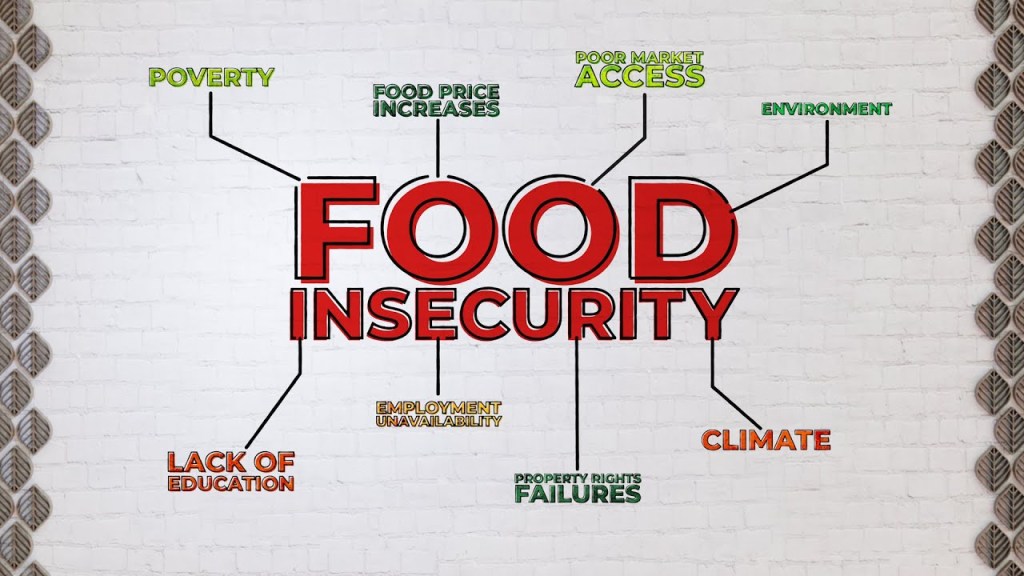
Food insecurity isn’t just a distant, global issue—it’s something we contribute to right here at home every time we waste food. While the numbers are staggering, the solutions are simple and well within our reach. From thoughtful grocery planning to storing food so it stays fresh and visible, every small habit change adds up. By composting scraps, respecting preferences, and buying only what we’ll truly eat, we can shrink our personal waste footprint and ease the strain on both our wallets and the planet. Reducing food waste starts in our kitchens—and it starts with us.
Thank you for reading, and as always, have a wonderful day.


Leave a comment