
By Garrett Zhou
Hey everyone, it’s Garrett again, here with another blog post. Today, we’ll be discussing what happens to leftovers, whether that be at the house or at restaurants and grocery stores. Although this might seem like an easy answer, which is exactly what I thought at first, in reality, it’s much more complicated than it seems. From horrible uses, such as backdoor deals, to great uses like donations to food banks, we’ll examine how leftovers are used by different groups in different ways.
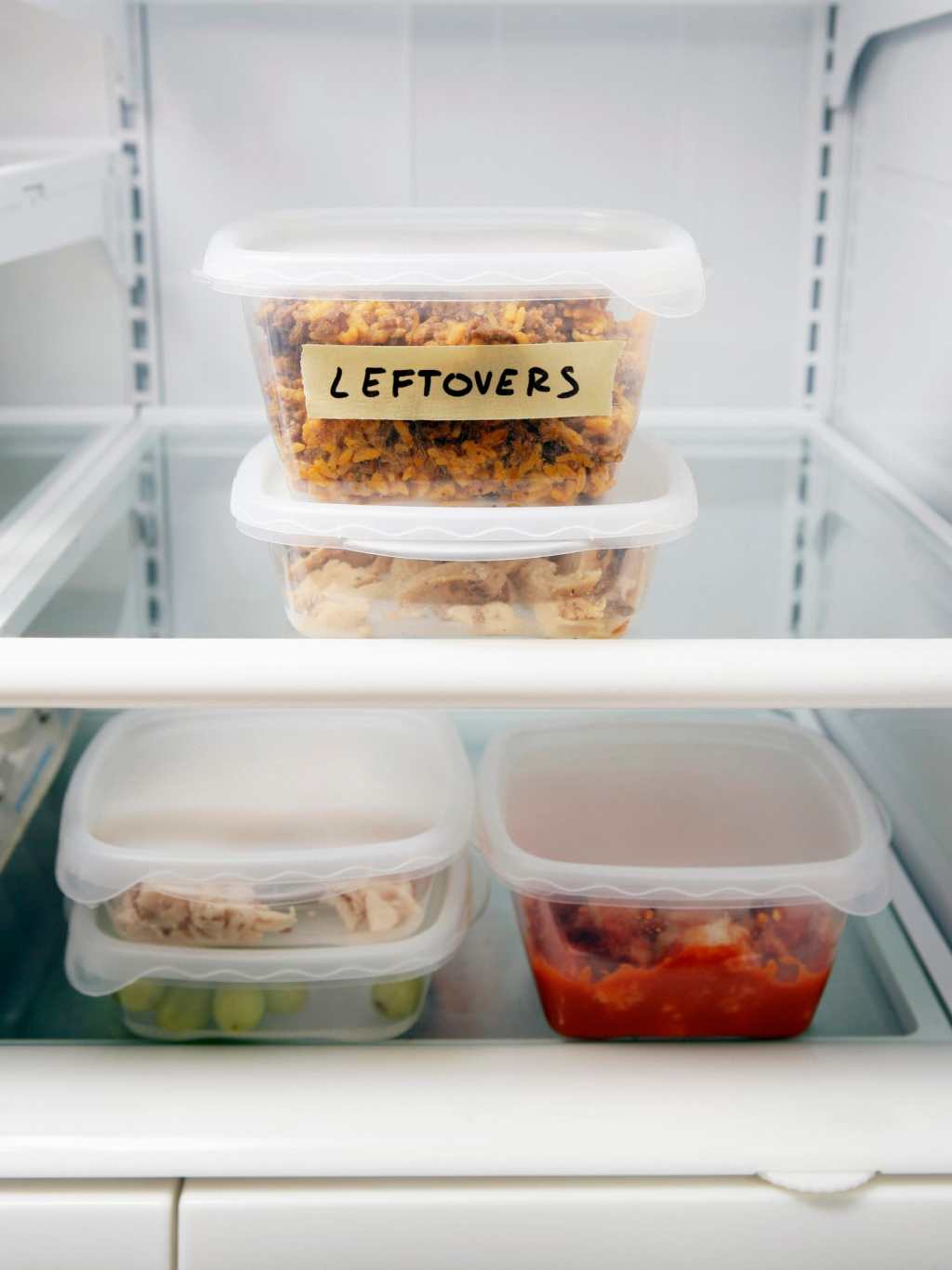
For households, which incidentally produce 61% of food waste in America, it may seem like all leftovers and spoiled food need to go into the trash bin (Marchant). However, it doesn’t have to be this way. Have a pet? Feeding your pet leftovers from a quality meal will make them feel like a king. Instead of throwing that extra chicken wing away, give it to your dog; they’ll probably enjoy it more than you did. Another solution is compost. While many people complain about the extreme prices in grocery stores, most of them would never consider having a garden. A small garden with fresh fruit and vegetables is a great solution to sky-high grocery bills, and compost provides the nutrients to the soil that will boost your garden’s health and productivity. Funnily enough, people who say, “I’ll eat it tomorrow,” DON’T eat it tomorrow. In fact, over 30% of leftovers are thrown out, showing that saved food usually isn’t good anymore (SWNS). So, to recap: If you have a pet, feed the leftovers you can to man’s best friend. If not, try to compost it. The best-case scenario is if you have a homegrown garden that the compost will help vitalize, but in reality, most people will not have that. Therefore, just composting where your decorative plants are is a great solution. In my household, any leftover water we have that may be slightly contaminated is given to our indoor plants, helping us reduce water waste and resources in general.
For restaurants, the answer is usually practiced more often, although the extent of my knowledge is very superficial. The best solutions to food waste in restaurants are a) feeding it to staff, b) reusing the wasted food, or c) donating it to the needy. The issue with solution A is that leftovers often have contamination of some sort, and you shouldn’t force your staff to eat that. The only cases where this could work are when the food is pre-prepared daily and there is extra that cannot be reused for the next business day, or when an order is abandoned, which often happens to DoorDash or Uber Eats orders. However, these abandoned meals usually go to the delivery person, so the amount of food this saves is minimal. Solution B isn’t much better; in fact, it could be worse. Reusing the leftover food is something that your family does with each other, and even then, it’s usually taken with a lot of moaning from the kids. Doing this in a restaurant would possibly violate health regulations set by the FDA and would be extremely unpopular for customers. In fine dining, customers want to have an enjoyable evening with quality food. With fast food, the price of other items on the menu is so cheap that no one would even consider buying leftovers. The only possible customer base would be the needy, but at that point, we transition into solution C, by far the best solution. It’s the most beneficial to the community as it helps the needy. Additionally, Food Banks aren’t picky; they’ll take anything that won’t negatively impact a consumer’s health, so most leftovers will get accepted. It’s mutually beneficial to everyone, even the restaurant, because corporations that donate to non-profits like Food Banks can get tax discounts, which can help put more money in the pockets of workers or help them lower prices. It’s obviously the best solution, and is already being implemented in many areas. Share this with your local shops and restaurants to continue doing good for the needy.
For grocery stores, the analysis is rather similar to restaurants, except that instead of leftovers, grocery stores have expired and/or past sell-by dates. These are often in better shape than a restaurant’s leftovers because they typically aren’t contaminated and aren’t cooked, so they’re still unprocessed. There are a lot of processed foods at grocery stores, but sadly, these fly off the shelves, and with the amount of preservatives in them, they usually don’t expire for a very long time, just like honey. So, for the most part, leftovers at the grocery stores include, but are not limited to: fresh fruits and vegetables, meats, fresh dairy products such as cheese, milk, and yogurt, eggs, and maybe some boxed and canned items. These boxed and canned items can easily be sent to the food bank, where the vast majority of them will be accepted and sent to families in need. For fresh produce, the handling and sorting process is very different. For more information on that, check out my blog post on My Experience Volunteering at a Local Food Bank here. To summarize, produce is sorted by how rotten it is; too squishy and it could have mold and bacteria, among other issues that could potentially make the consumer ill. These can also be sent to the food banks, and the rotten bunch can easily be sent to a local farm, where it is composted and used to vitalize the dirt.
Many of you may think that these solutions aren’t special, and that they are already being implemented. However, the numbers don’t lie, and the numbers say that these easy-to-implement solutions are being blatantly ignored in many cases because of a simple inconvenience. NPR reported in 2022 that 1 in 6 adults relied on charitable donations to feed themselves and their families, and food banks are a great solution to this issue (Ludden). However, people only believe something is inconvenient because it isn’t mainstream. Together, we can make these practicalities streamlined and implemented everywhere, as part of the Better Tomorrow.
As always, thanks for reading, and have a blessed day.
Bibliography
Marchant, Natalie. “The world’s food waste problem is bigger than we thought – here’s what we can do about it.” The World Economic Forum, 26 Mar. 2021, http://www.weforum.org/stories/2021/03/global-food-waste-solutions/. Accessed 18 Nov. 2025.
SWNS. “Nearly 1 in 3 forget about leftovers once they’re out of sight: poll.” The NY Post, 17 Apr. 2023, nypost.com/2023/04/17/nearly-1-in-3-forget-about-leftovers-once-theyre-out-of-sight-poll/. Accessed 18 Nov. 2025.
Ludden, Jennifer, host. “Demand at Food Banks Is Way up Again. but Inflation Makes It Harder to Meet the Need.” National, 2 June 2022. NPR, http://www.npr.org/2022/06/02/1101473558/demand-food-banks-inflation-supply-chain. Accessed 19 Nov. 2025.


Leave a Reply